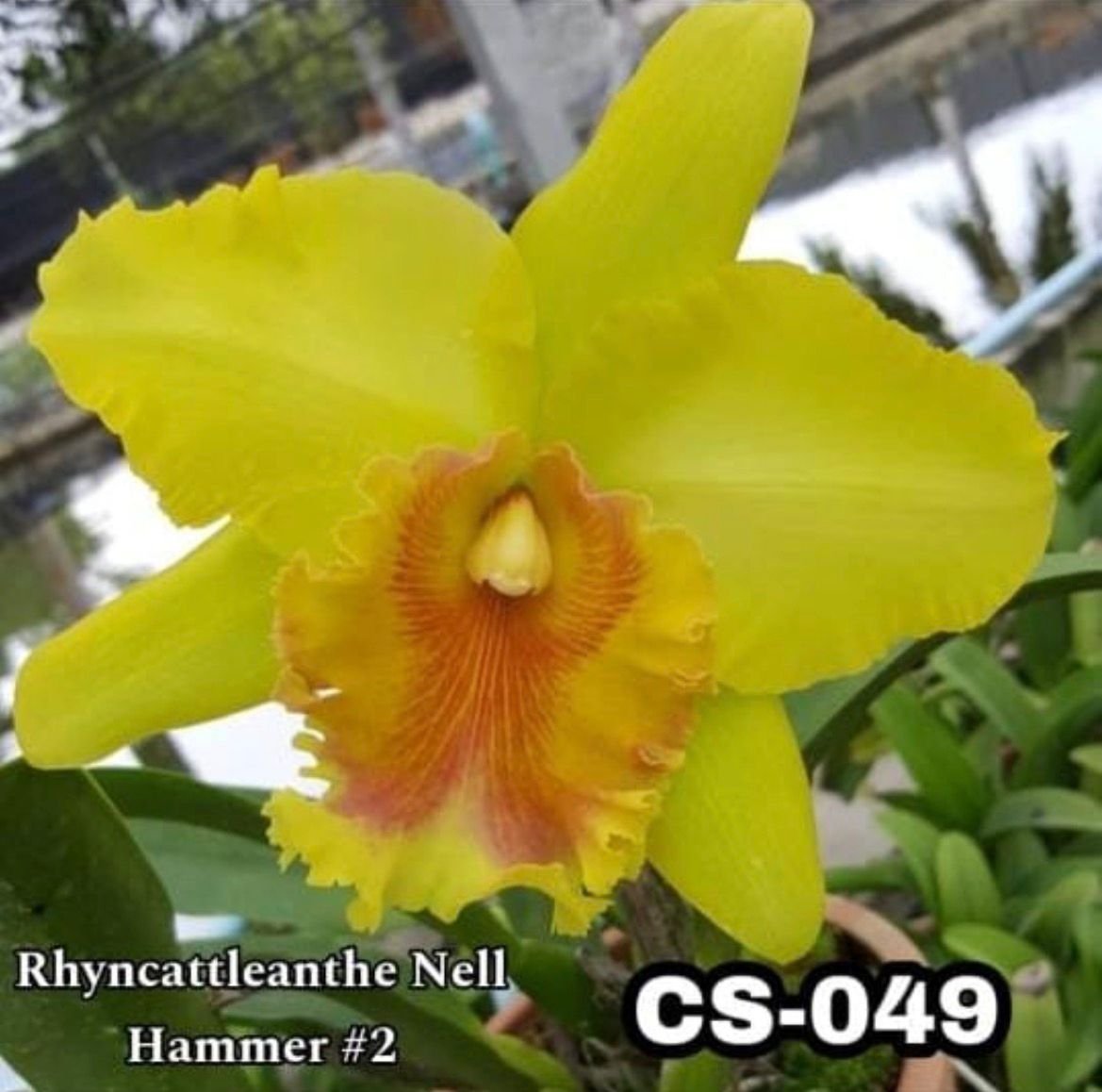
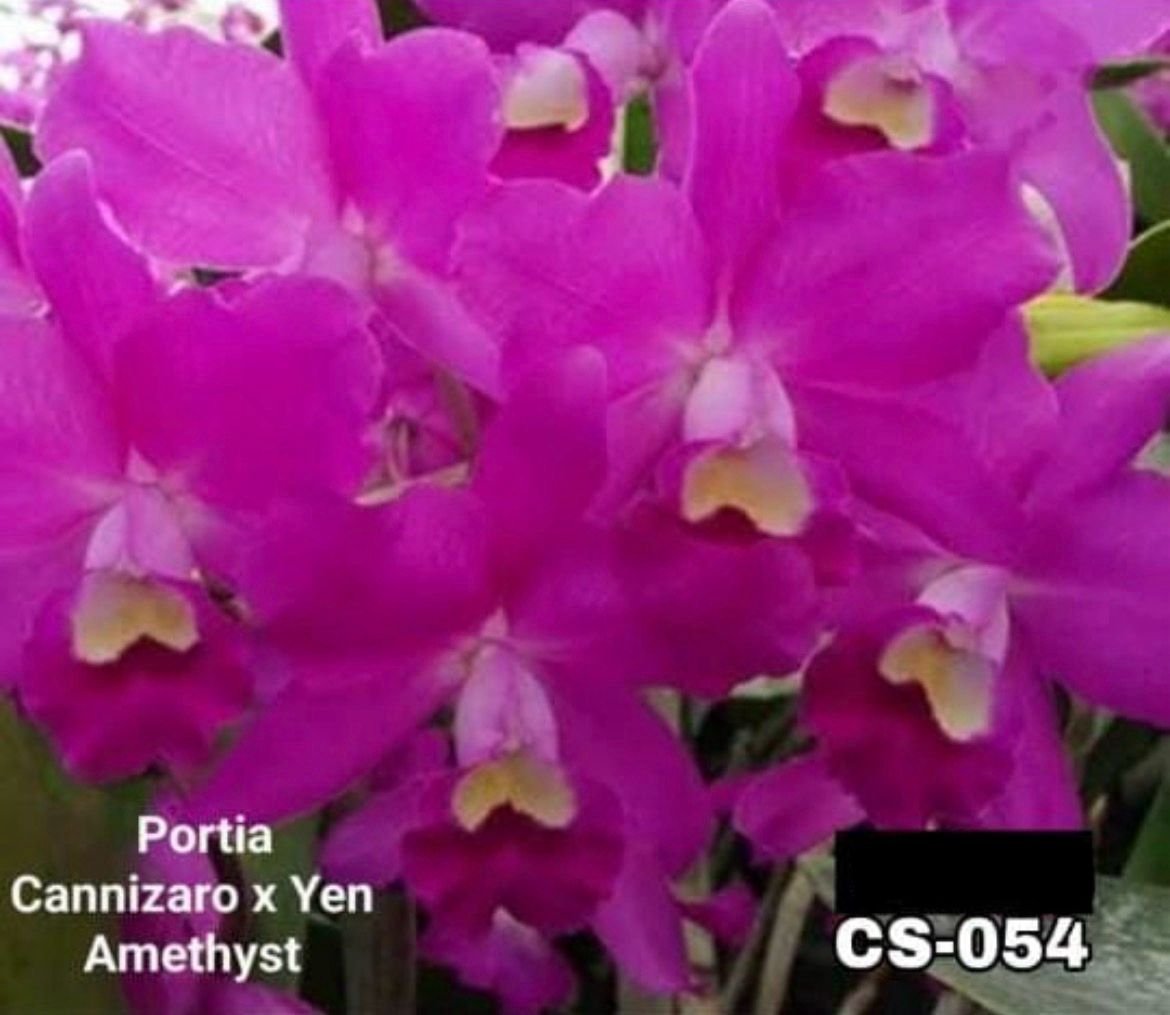
Description — ## The Annual Cycle at a Glance | Season | Phase | Watering | Feeding | Light | | :— | :— | :— | :— | :— | | **Spring – Early Fall** | Active Growth | Heavy, frequent | Every 1-2 weeks | Bright, strong | | **Fall** | Transition | Gradually reduce | Taper off | Still bright | | **Late Fall – Winter** | Dormancy | Stop completely | None | Less critical | — ## ☀️ Light Requirements Catasetums need **strong light**—much more than most orchids. During active growth, aim for **3,000 to 6,000 foot-candles** (about 32,250-64,500 lux), which is roughly half to three-quarters full sun. – **Window placement**: A south-facing window is ideal. East or west works if the plant gets 4 hours of direct sun daily. – **Leaf color guide**: Healthy leaves should be light to medium green. Very dark leaves = too little light; yellowing with crisp spots = too much sun. – **Dormancy period**: After leaves drop, light requirements become less critical, but keeping the plant somewhat bright mimics natural conditions. — ## ��️ Temperature These orchids thrive on heat during their growing season—they’re tropical natives after all. | Period | Day Temperature | Night Temperature | | :— | :— | :— | | **Active Growth** | 26-38°C (80-100°F) | 18-24°C (65-75°F) | | **After Maturation / Dormancy** | 21-29°C (70-85°F) | Can drop to 13°C (55°F) | > ⚠️ **Critical**: Do not let temperatures drop below **18°C (65°F)** during active growth, or you may arrest growth and trigger dormancy too early. — ## �� Watering: The Most Important Rule Watering is where most growers make mistakes. Catasetums need a **wet/dry cycle** that follows their growth pattern. ### During Active Growth (Spring – Early Fall) – **Start watering** when new shoots have roots that are **2-3 cm (1 inch) long**. – Water heavily and frequently—sometimes every 1-2 days or whenever the potting medium feels just barely dry. – These are **heavy drinkers** during growth; they need to store massive amounts of water to build those thick pseudobulbs. ### Transition to Dormancy (Fall) – Gradually reduce watering as leaves begin to yellow and drop. – This signals the plant to prepare for rest. ### During Dormancy (Late Fall – Winter) – **Stop watering completely** once all leaves are gone. – Water during dormancy is the #1 cause of root rot and plant death. – **Only exception**: If pseudobulbs shrivel severely, add a light splash of water—but ensure it dries within 2-3 days. ### When to Resume Watering Wait until you see **new growth with roots at least 2-3 cm long** in spring. Then begin watering again. — ## �� Humidity Maintain **40-60% humidity** during the growing season. – **At home**: Use humidity trays (gravel trays with water—plant sits above water, not in it) or a humidifier. – **Air movement**: Critical! Use a small fan to prevent fungal and bacterial issues, especially in high humidity. – **During dormancy**: Humidity can drop to 25-30%—this is perfectly fine for resting plants. — ## �� Potting Mix & Repotting Catasetums have vigorous root systems that grow fresh each year. ### Best Mix Use a **fast-draining, rich** medium: – Fine-grade orchid bark mixed with sphagnum moss and perlite – Sphagnum moss alone works well in many areas for water/nutrient retention – LECA (semi-hydroponics) is also an option ### Pot Size Choose a pot just big enough for 1-2 years of growth. Too large = soggy roots. ### When to Repot Repot in **late winter to early spring**, just before or as new roots begin to appear. Time it right, and the plant will quickly establish. — ## �� Fertilizing: Heavy Feeders Catasetums are **hungry plants**—they build massive pseudobulbs in just a few months and need lots of nutrition. | Growth Phase | Fertilizer Type | Frequency | | :— | :— | :— | | **Early Growth** | High-nitrogen (30-10-10) | Every 1-2 weeks | | **Late Growth (Autumn)** | Blossom-booster (10-30-20) | Every 1-2 weeks | | **Dormancy** | None | Stop entirely | > �� **Tip**: Use dilute concentrations frequently rather than strong doses occasionally. Flush the pot with plain water once a month to prevent salt buildup. — ## �� Understanding Dormancy (Don’t Panic!) When your Catasetum drops all its leaves and looks like a cluster of dead bulbs—**this is normal**. – **Why they go dormant**: Native to tropical climates with wet summers and bone-dry winters. Dropping leaves prevents water loss. – **What’s normal**: Bare pseudobulbs, no leaves, sometimes no roots. The pseudobulb is a water/food storage tank for survival. – **Is it dead?** No—as long as pseudobulbs feel firm, the plant is just resting. **To push dormancy**: Reduce water and temperature at the end of the growing season. Most plants should be leafless and dormant by January (Northern Hemisphere). — ## �� Common Problems & Solutions | Problem | Likely Cause | Solution | | :— | :— | :— | | **Wrinkled pseudobulbs (growing season)** | Underwatering | Water more frequently; these need lots of water during growth | | **Rotting bulbs/roots** | Overwatering or stale mix | Repot in fresh, airy medium; ensure dormancy period is dry | | **No flowers** | Not enough light or skipped dry dormancy | Compare bulb size—new bulbs should be as large or larger than old ones | | **Spider mites** | Dry conditions | Increase humidity; treat with miticide or insecticidal soap | | **Leaf yellowing in fall** | Natural dormancy | This is expected—reduce watering | — ## �� Quick Tips for Success 1. **Embrace the cycle**—wet summer, dry winter. Don’t fight it. 2. **More light than you think**—these aren’t low-light Phalaenopsis. 3. **Start watering late**—wait for those 2-3 cm roots in spring. 4. **Stop watering completely** in winter—resist the urge. 5. **Feed heavily** during growth—they’re building next year’s flowers. 6. **Don’t panic at leaf drop**—it’s just resting.