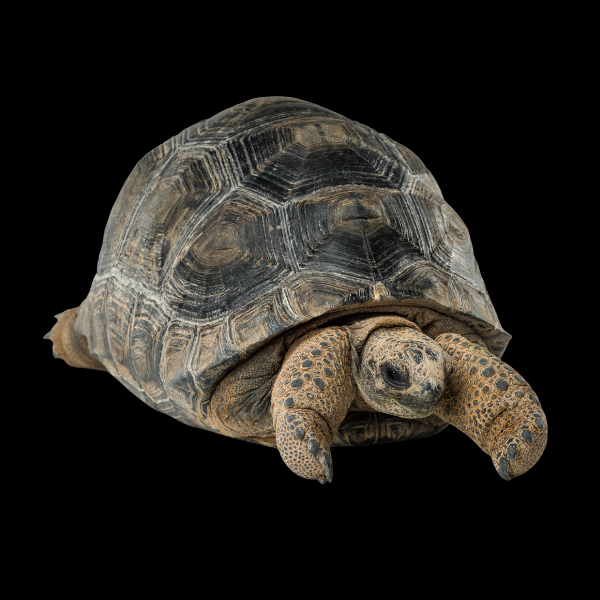
Aldabra Giant Tortoise Aldabrachelys Gigantea Juvenile
$ 44.98
Description Aldabra Giant Tortoise Scientific Name: Aldabrachelys gigantea Common Names: Aldabra Tortoise, Aldabra Giant Tortoise Overview The Aldabra Giant Tortoise (Aldabrachelys gigantea) is one of the largest and most iconic tortoises in the world. Native to the Aldabra Atoll in the Indian Ocean, part of the Seychelles, these majestic creatures can live for over a century and are known for their massive size and slow, deliberate movements. They have a domed, dark shell and can weigh up to 550 pounds (250 kg) when fully grown. These tortoises are herbivores and play an essential role in the ecosystem by grazing on vegetation and helping to maintain the balance of their environment. They are currently classified as Vulnerable due to habitat loss, poaching, and climate change. Key Information Size: Up to 4 feet (1.2 meters) in length Weight: 250–550 pounds (113–250 kg) Lifespan: 100–150 years Diet: Herbivore Temperament: Calm, slow-moving Habitat & Setup Habitat: Native to the Aldabra Atoll in the Indian Ocean, found in tropical savannah and coastal grasslands Outdoor Enclosure Size: Large, secure enclosures with plenty of space for roaming (at least several hundred square feet for a single tortoise) Substrate: Natural earth, grass, and low-growing plants Shelter: Provide shaded areas for them to hide from the sun, as well as a dry place to rest Climate: Warm and dry, with a temperature range of 75–90°F (24–32°C) during the day, cooling to around 60°F (16°C) at night Humidity: Low humidity, but access to water for drinking and occasional soaking Diet & Feeding Diet Type: Herbivore Suitable Foods: Grass, leaves, and flowers Fruits such as papaya, melons, and berries (in moderation) Vegetables like leafy greens, squash, and carrots Cactus pads and other desert plants Feeding Frequency: Provide fresh food daily, with a variety of greens and occasional fruit. Avoid high-protein or high-fat foods. Care Notes Activity Level: Slow-moving and deliberate. Aldabra Giant Tortoises are not particularly active, but they require large areas to roam and graze. Health: These tortoises need access to sunlight for natural vitamin D synthesis and must have a proper diet to avoid shell deformities and obesity. Social Nature: Generally solitary, but they can tolerate being housed with other tortoises of the same species. Aggression is rare but can occur in overcrowded conditions. Breeding: Aldabra Giant Tortoises lay eggs, and females can lay multiple clutches per year. Egg incubation requires careful monitoring of temperature and humidity. Conservation Status Conservation Status: Vulnerable (IUCN Red List) Threats: Habitat destruction and climate change Conservation Efforts: Conservation programs are in place to protect the species, particularly on the Aldabra Atoll, where they have a protected, natural habitat. Breeding programs are also conducted in zoos and wildlife reserves to help maintain the population. Fun Fact The Aldabra Giant Tortoise is not only one of the largest tortoises but also one of the longest-living creatures on Earth. Some individuals in captivity have been known to live more than 150 years, making them a symbol of longevity and resilience. Their slow and steady lifestyle is a unique feature of this remarkable species!